
Removing a tree in summer is usually safe. The best time to remove trees depends on why the tree needs removal, not simply the month.
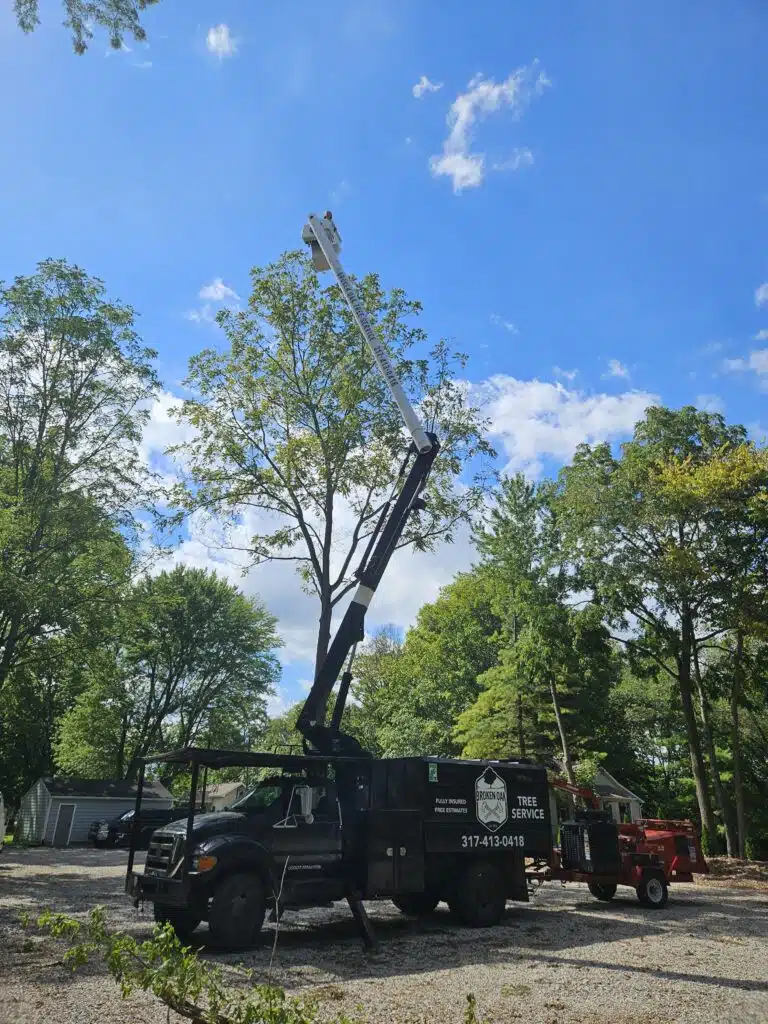
A failing tree, storm-damaged tree, or dead tree should not wait for cooler weather. A professional assessment helps you protect your home, lawn, and family.
Summer Tree Removal in Fortville and Greater Indianapolis
Homeowners in Fortville often notice tree problems once summer leaves fill the canopy. A tree may leaf out unevenly, show tender new growth, or lean after heavy summer storms.
Some ornamental trees may still have beautiful flowers while showing decline elsewhere. You want a clear answer before a branch reaches a roof, driveway, fence, or play area.
Broken Oak Tree Service helps homeowners across Fortville, Fishers, Noblesville, Carmel, Geist, Westfield, McCordsville, Greenfield, and Pendleton make that decision safely.
What Makes a Tree Unsafe to Keep Until Another Season?
Summer tree removal is appropriate when waiting increases risk. The reason for removal matters more than the calendar.
A tree should be assessed promptly when it has failed, is visibly declining, or has been damaged. These conditions can change after wind, rain, and summer heat.
A Tree Has Failed or Is Showing Signs of Failure
A failed tree may have a broken trunk, split limbs, lifted roots, or a new lean. These problems can worsen without warning.
A leaning tree does not always mean immediate failure. However, a fresh lean or raised soil near the base needs professional attention.
Read more about signs a tree needs removal before it becomes a hazard.
Summer Storms Caused Damage
Summer storms can leave hanging limbs, cracked branch unions, and damaged tops. A branch union is the point where two stems join together.
Storm damage may look minor from the ground. The tree’s structure can tell a different story from above.
Do not climb the tree or pull on damaged limbs. Call a qualified tree service when damage affects a target below.
A Dead Tree Becomes Clear After Leaf-Out
Some trees look questionable in late winter. Their condition becomes much clearer in spring or early summer.
A dead or diseased tree may never fill in when nearby trees leaf out. It may also show bare branches, peeling bark, or large dead limbs.
Dead trees can become weaker and more brittle as they gradually die. Summer wind and added leaf weight can make weak limbs more likely to break.
A Project Forces the Timing
Sometimes removal supports a build, driveway, septic field, utility project, or grade change. Grade change means adding or removing soil around the property.
In these cases, the time to remove the tree follows the project schedule. Waiting can create access problems or interfere with work already planned.
What Is the Best Time to Remove a Summer Tree?
Not every unwanted tree requires urgent removal. A healthy tree may be badly placed, block needed light, or no longer fit the property plan.
The best time of the year depends on risk, access, and the owner’s plans. Every tree and property has different conditions.
These removals can often be scheduled around weather, access, and your project timeline. Late summer may work well when ground conditions and access support the project.
A tree removal company should explain what the job includes. The written estimate should make the work easy to understand before scheduling begins.
What Changes During a Summer Tree Removal Job?
Summer removal has different planning needs. Those needs affect crew safety, lawn protection, rigging, and cleanup.
They do not make summer tree removal unsafe by default. They make a careful assessment more important.
Heat Changes the Work Window
Heat is a crew-safety factor on the hottest days. Crews may begin earlier or adjust the working window to reduce heat stress.
This planning supports safer decisions throughout the job. It also helps crews stay focused during demanding work.
Clay Soil Can Affect Access and Lawn Protection
Fortville and much of Greater Indianapolis have heavy clay soil. That soil can become baked hard or saturated after rain.
Both conditions affect truck access and lawn protection. Ruts and root-zone compaction are common concerns for homeowners after removal.
Root-zone compaction happens when heavy weight presses soil tightly around the root system. It can limit air, moisture, and water movement through the soil.
A good plan considers access routes before the truck arrives. It also considers where equipment, brush, and wood will move across the property.
Leaves Add Weight and Hide Tree Structure
Foliage adds weight and wind load to every limb being lowered. Wind load is the force wind places on leaves, branches, and the trunk.
Leaves can also hide cracks, deadwood, insects or disease, and other damage. That makes the assessment and rigging plan especially important.
Rigging uses ropes and equipment to control sections as they come down. It helps keep wood away from homes, fences, gardens, and other targets.
What Should You Compare in a Summer Tree Removal Estimate?
The cheapest quote may not describe the same work. Compare scope details before choosing a contractor.
Ask each company to answer these questions in writing:
- What equipment will access the property?
- How will the crew protect the lawn and access route?
- Will all brush, logs, and chips be removed or left onsite?
- What stump height will remain after removal?
- Is stump grinding included, optional, or excluded?
- How will the crew leave the work area after completion?
Cleanup, chip handling, stump height, and lawn condition are scope items. They should be explained in a written estimate rather than assumed.
For a detailed removal assessment, visit Broken Oak’s tree removal service page.
Does Spring Tree Pruning Matter in Summer?
Oak and elm timing is a separate consideration from removal. An open wound during the growing season carries a different risk than the same cut in cold weather.
On oaks and elms, seasonal guidance may affect companion work, while removal itself is not affected. These trees can be susceptible to disease concerns after an open wound.
Cold weather can allow wounds to heal faster before insects become active. This exception note does not override a safety concern.
A tree with an injury, failure, or major decline should be assessed now. Waiting for a preferred season can create more risk.
For separate pruning guidance, visit Broken Oak’s tree trimming and pruning page.
What Experienced Crews Look for Before Summer Removal
A summer tree job starts before cutting begins. The crew needs to understand the tree, the site, and the targets nearby.
Broken Oak Tree Service evaluates access, ground conditions, tree structure, and the drop zone. The drop zone is the planned area where cut sections can safely land. Homeowners who consider handling it alone should first read how to remove a hazardous tree safely.
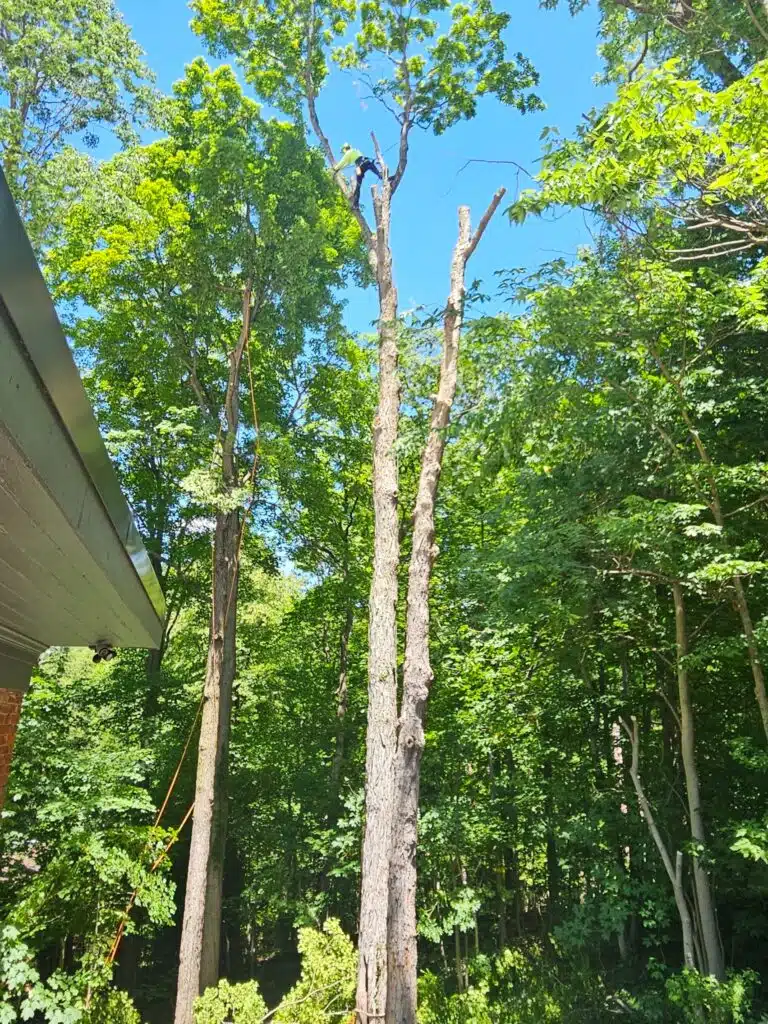
The team also plans how material will leave the property. That matters in tight Fortville lots and established neighborhoods across Central Indiana.
Tree health, root systems, moisture, mulch around the tree, and past maintenance can help an expert understand site conditions. Those details also help prevent avoidable lawn damage during removal.
Broken Oak has an ISA Certified Arborist on staff and follows a safety-first approach. The company provides free estimates and explains the scope before work begins.
Common Questions and Summer Tree Removal Tips
Is it safe to remove a tree in summer?
Yes, summer removal is safe when a trained crew plans for heat, foliage, ground conditions, and access. Urgent hazards should be assessed regardless of season.
What is the best time of year to remove a tree?
The best time depends on the tree’s condition and your project needs. Dangerous, dead, or damaged trees should not wait for a preferred season.
Can summer tree removal damage my lawn?
It can, especially when clay soil is wet or soft. A helpful tip is to ask how the company will plan equipment access and protect high-traffic areas.
Should I remove a dead tree once summer begins?
A dead tree should be assessed once you notice it. Summer leaf-out often makes a dead or declining canopy easier to identify.
Can I remove a small tree myself?
Homeowners may handle very small trees with no nearby targets. Hire an expert crew when a tree is near structures, utilities, fences, or overhead limbs.
Take the Next Safe Step for Your Property
If a tree looks unsafe, do not wait for the “best” month. Get a clear assessment and a written scope for the actual work.
Request a free estimate from Broken Oak Tree Service for tree removal in Fortville or Greater Indianapolis. You can also view the Google Business Profile for business details and reviews.
Key Takeaways
- Assess failed, damaged, dead, or leaning trees promptly.
- Base removal timing on risk and project needs, not the season alone.
- Ask how heat, access, and clay soil conditions affect the job plan.
- Compare written scope details, not only the final price.
- Confirm cleanup, chip handling, stump height, and lawn protection.
- Treat foliage and hidden tree structure as summer planning factors.
- Use seasonal tree care and routine maintenance to take care of trees and spot gradual changes early.
- Choose qualified tree removal services for trees that pose a risk near homes, utilities, or other targets.


